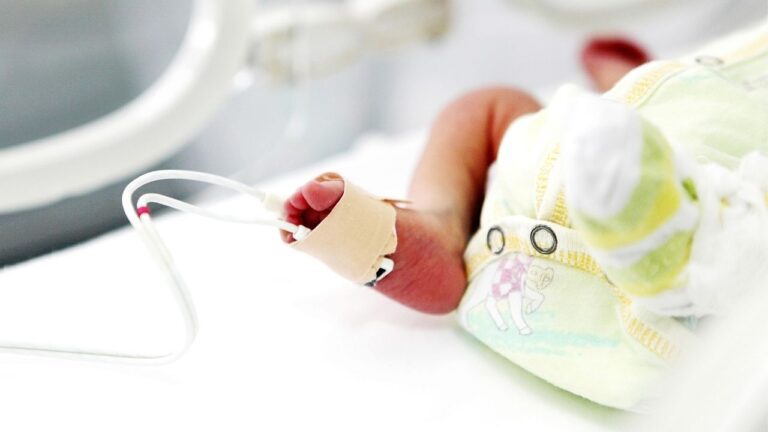


Fetal distress, also called non-reassuring fetal status, is a dangerous condition that prevents the fetus from receiving enough oxygen in utero or during labor. When left untreated, this can quickly cause harm. A doctor or nurse’s negligence is one potential cause of fetal distress birth injuries in Miami.
Healthcare providers should be able to recognize signs of fetal distress and treat the issue to prevent further harm. Because fetal distress can stem from a variety of medical causes, determining whether negligence played a role often requires legal and medical insight. A Miami fetal distress attorney can review your claim and help you explore your options.
What Causes Fetal Distress?
Fetal distress can occur during any pregnancy, although some factors can increase the risks of this condition. Some common medical causes of fetal distress can include:
- Maternal health conditions like preeclampsia or pregnancy-induced hypertension
- Late-term pregnancies
- Intrauterine growth restriction, also known as fetal growth restriction
- Placental abruption (separation of the placenta from the uterus)
- Placenta previa (the placenta blocks the cervix)
- Tachysystole (contractions that occur too frequently)
- Issues with the umbilical cord, such as a nuchal cord or an umbilical cord prolapse
- Births involving multiple fetuses
A provider should monitor maternal and fetal health when these and other health concerns are present.
Recognizing Fetal Distress
Fetal distress can occur before birth and during labor. Here are some signs that doctors should be aware of:
- Your baby is not moving as much or not at all during your pregnancy
- The fetus’s heart rate changes
- Your amniotic fluid is low
Recognizing these and other signs is essential for the safety of the fetus. Quick action and careful monitoring allow doctors to treat signs of distress as early as possible.
Fetal Monitoring Failures That Cause Fetal Distress and Support Negligence Claims
Hospitals are expected to assess and monitor a baby’s condition from admission through delivery. When the care team misses or misreads warning signs on the fetal monitor, a baby can be deprived of oxygen and suffer a serious birth injury. Five monitoring failures appear most often in negligence cases.
1. Ignoring Closely Spaced Contractions
When contractions come with less than 60 seconds of rest between them, oxygen delivery to the baby drops. Providers must act to calm the uterus, such as stopping uterine stimulants and starting intrauterine resuscitation, even if the baby’s heart rate variability looks normal. Moderate variability reflects brainstem oxygenation only. It does not prove the brain is getting enough oxygen.
2. Not Responding to Fetal Tachycardia
A baseline heart rate above 160 bpm is not harmless. It can signal chronic oxygen deprivation or an arrhythmia and calls for a bedside assessment by an experienced provider. A rate that later starts to fall is a sign of compromise, not improvement. Continuing to watch while the baby decompensates is a serious failure.
3. Not Acting on Fetal Bradycardia
Bradycardia is a heart rate below 110 bpm in a term baby (below 120 bpm if preterm). A rate below 80 to 90 bpm is a fetal emergency. Staff must not wait for the rate to recover on its own or spend critical time on repeated exams and position changes. The operating room should be opened, the provider notified, and the patient moved for delivery.
4. Confusing the Mother’s Heart Rate for the Baby’s
Monitors can pick up the mother’s pulse instead of the baby’s, especially during pushing. The sound a monitor makes is artificial, not the baby’s actual heartbeat. If staff mistake the maternal rate for the fetal rate, a baby in distress can go unnoticed.
5. Delaying Action on Decelerations
Heart rate decelerations show that oxygen delivery has dropped. Variability alone should never be used to judge a baby’s health. The best signs of well-being are a stable baseline, accelerations, no decelerations, and moderate variability together.
Each of these failures can break the standard of care. If delayed action or misread tracings lead to oxygen deprivation, cerebral palsy, or other injuries, the hospital and providers may be held liable for medical malpractice.
Why Fetal Monitoring Negligence Happens in Florida Hospitals
Hospitals invest heavily in fetal monitors but far less in teaching staff how to use them. Training varies widely. Nurses and physicians are often trained separately, certification is not required for every provider, and some programs rely only on online modules. Without hands-on supervision, staff may not truly learn to interpret fetal heart rate patterns.
Standardized Category I, II, and III labels were meant to simplify interpretation, but they do not replace critical thinking or an understanding of fetal physiology. Many providers recognize a Category I tracing but struggle beyond it, and fall back on variability as their only measure of fetal well-being. Because variability reflects brainstem function only, this shortcut can hide real oxygen deprivation and lead to preventable injury.
How Is Fetal Distress Treated?
During labor and pregnancy, providers should monitor fetal heart rate. This can help identify heart rate irregularities, allowing medical providers to take proactive measures. Some of these tests can include:
- Nonstress tests
- Biophysical profile
- Electronic fetal heart rate monitors
- Doppler fetal monitor
If the doctor detects fetal distress, there are a few steps they may take to help. The precautions and actions can differ depending on the circumstances, but these can include:
- Increasing oxygen and fluids to the pregnant mother
- Improving maternal blood flow and fetal oxygen supply by changing the mother’s position
- Regulating the frequency of contractions using medication
- Order a cesarean section delivery or use tools to assist vaginal delivery
You may even need to deliver your child sooner than expected if your baby is in distress.
Is Fetal Distress Automatically a Sign of Malpractice?
While complications from fetal distress can be devastating, it does not automatically mean that a doctor or other provider was negligent. The provider’s actions, or lack thereof, play a key role in determining liability for your child’s harm.
Examples of provider negligence that can cause fetal distress birth injuries include:
- Failure to recognize symptoms of fetal distress
- Delays in treating the fetus’s distress
- Improper administration of medication that affects contraction frequency
- Failure to account for maternal or fetal health conditions that could increase the risks of oxygen deprivation
- Failure to communicate with other providers about risk factors or symptoms
- Wrongful discharge of the mother from the hospital or emergency room
When left unaddressed, fetal distress can have disastrous and even fatal consequences.
Your Baby May Suffer from Birth Injuries Due to Neglect
While many of the potential causes of fetal distress are unavoidable, birth injuries related to fetal distress are often preventable. When fetal distress is not addressed, your child can develop hypoxic-ischemic encephalopathy (sometimes called birth asphyxia). This lack of oxygen can cause:
- Brain damage
- Cerebral palsy
- Epilepsy
- Developmental delays
- Intellectual disabilities
These and other injuries can have a wide spectrum of effects on children and their families. Children may have intense medical needs and profound disabilities. In some tragic cases, fetal distress can lead to stillbirth.
Fetal Distress Can Have Long-Term Costs for Families
The birth of a child should be a time of celebration for families. However, untreated fetal distress can turn happiness into worry and fear. The weeks and months following your child’s birth turn into a whirlwind of hospital stays, treatments, and checkups. The emotional and financial toll can be overwhelming, especially when your child’s health and future are uncertain.
If your child received negligent medical care, you may be able to hold at-fault parties accountable for the economic and non-economic losses your family is dealing with. Many factors can affect your birth injury settlement, but some of the damages you could pursue include:
- Current medical bills, such as hospital stays and medications
- Future medical expenses, including physical therapy
- Pain and suffering
- Emotional anguish
- The costs of future education needs
- Lost quality of life
- Expenses for in-home assistance
- Costs of mobility devices and home modifications
- Wrongful death expenses if the birth injury became fatal
A Miami birth injury lawyer can help you pursue the full extent of your family’s losses.
Act Quickly to Protect Your Child’s Right to Compensation
Your family is suffering right now because of a provider or hospital’s negligence, and now your whole life is turned upside down. It can be hard to think about filing a fetal distress lawsuit in Miami, but it is important to protect your right to seek compensation.
Florida Statutes § 95.11 restricts how long injury victims have to file a lawsuit for damages. Birth injury claims have unique deadlines for taking action, and many factors can affect this deadline.
As soon as you suspect that your child’s birth injuries were caused by untreated fetal distress, reach out to a lawyer. Missing the statute of limitations could mean that your family has no way to pursue compensation.
If You Suspect Negligence Caused Fetal Distress Birth Injuries, Call Us Now
The complex nature of fetal distress and related conditions makes it difficult for parents to recognize malpractice. Insurance companies are quick to deflect blame, and they may even intimidate you into dropping the claim or offer insultingly low payouts. The odds may seem impossible, but there is hope.
Freidin Brown, P.A. stands as a champion for medical malpractice victims in Miami and all over Florida. For over 45 years, we have helped families hold negligent parties accountable for injured babies. Our attorneys have recovered over $500 million for our clients, with some birth injury results in the tens of millions. Please call our team now for a free case review. Se habla español.
Share now: